African safaris are among the most iconic travel experiences in the world. The chance to see lions, elephants, gorillas, and other wildlife in their natural habitats is unforgettable. Yet, many travelers hesitate before booking, asking the same question: Is an African safari safe for tourists?
The short answer is yes—safaris are generally safe when organized with reputable operators and when travelers follow basic safety guidelines. However, safety concerns vary depending on the country, the type of safari, and whether risks come from wildlife encounters or crime. This article explores these issues in depth, offering practical travel tips and country-specific insights to help you plan confidently.
Crime vs. Wildlife Safety
When people think of safari safety, they often imagine wild animals as the main threat. In reality, crime and infrastructure challenges can pose greater risks than wildlife.
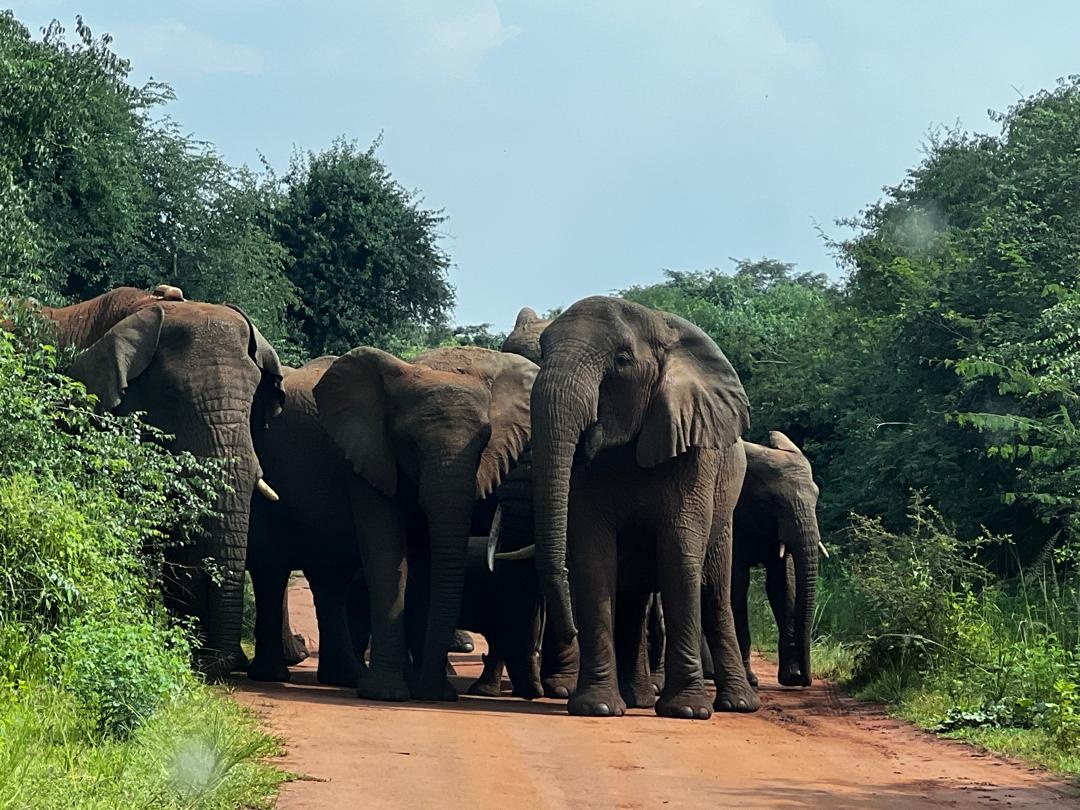
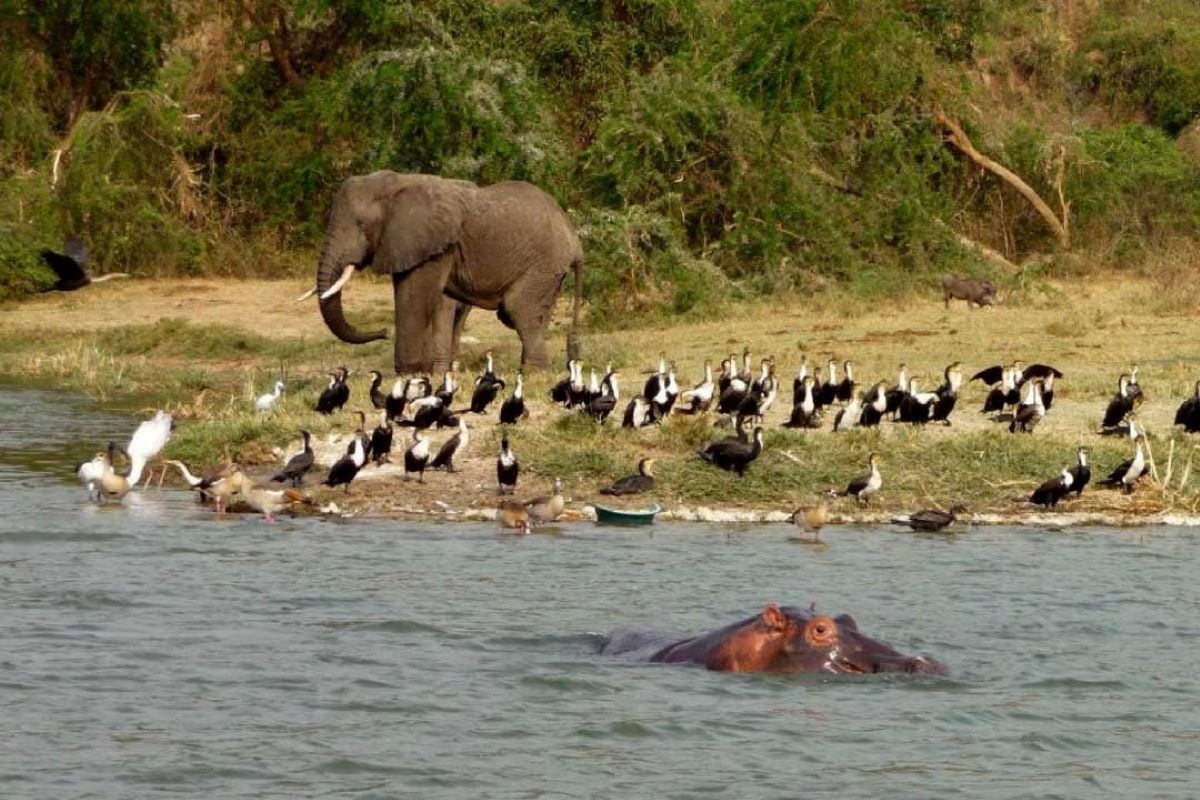
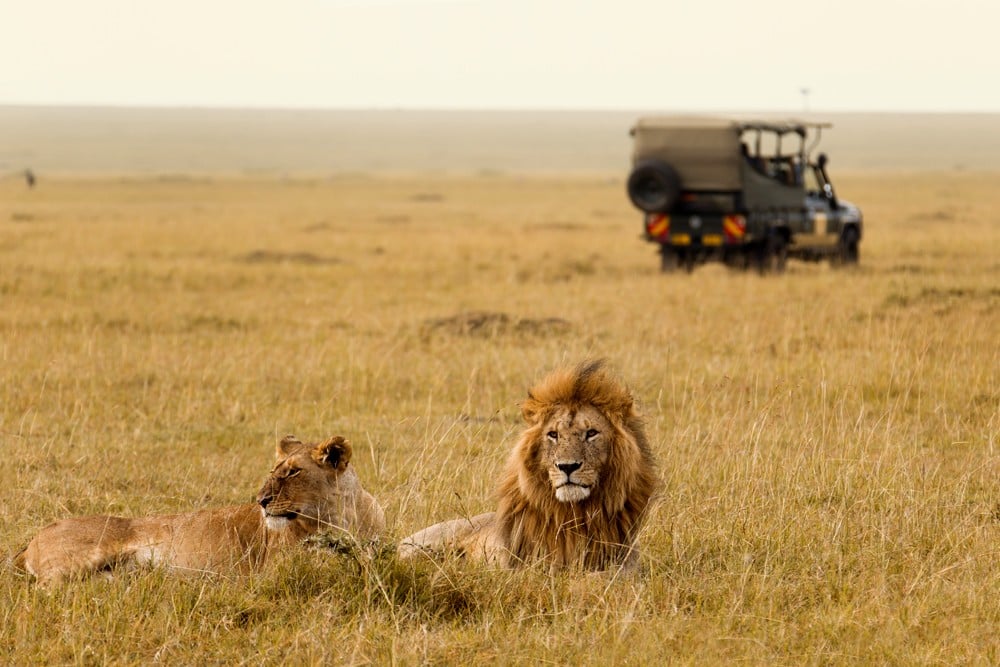
Most safari destinations manage wildlife safety exceptionally well. Professional guides read animal behavior and enforce strict rules about distance and conduct to keep you safe.Incidents with lions, elephants, or hippos are rare and usually occur when tourists ignore instructions or attempt risky photos. Staying inside vehicles, keeping quiet, and respecting park rules are the golden principles of wildlife safety.
Crime safety varies more widely. Safari lodges and rural parks tend to be secure, with much lower crime rates than nearby cities. Petty theft, scams, and occasional violent crime are more common in urban centers such as Nairobi or Johannesburg. Travelers should exercise caution in cities but can generally feel safe inside national parks and reserves.
Country-by-Country Safety Overview
Not all safari destinations are equal in terms of safety. Here’s a breakdown of major countries offering safari experiences:
Botswana is widely regarded as one of Africa’s safest safari destinations. With low crime rates, excellent wildlife management, and stable governance, it is ideal for first-time visitors. The Okavango Delta and Chobe National Park are highlights.
Namibia offers strong infrastructure and low crime, making it another safe choice. Its desert landscapes, including Etosha National Park, provide unique safari experiences.
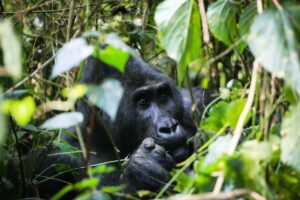
Rwanda is famous for gorilla trekking in Volcanoes National Park. The country has strict park rules and is considered safe for tourists, with a strong emphasis on conservation.
Kenya boasts world-class safari destinations like the Masai Mara and Amboseli. Parks are safe, but travelers should be cautious in Nairobi, where petty crime is more common.
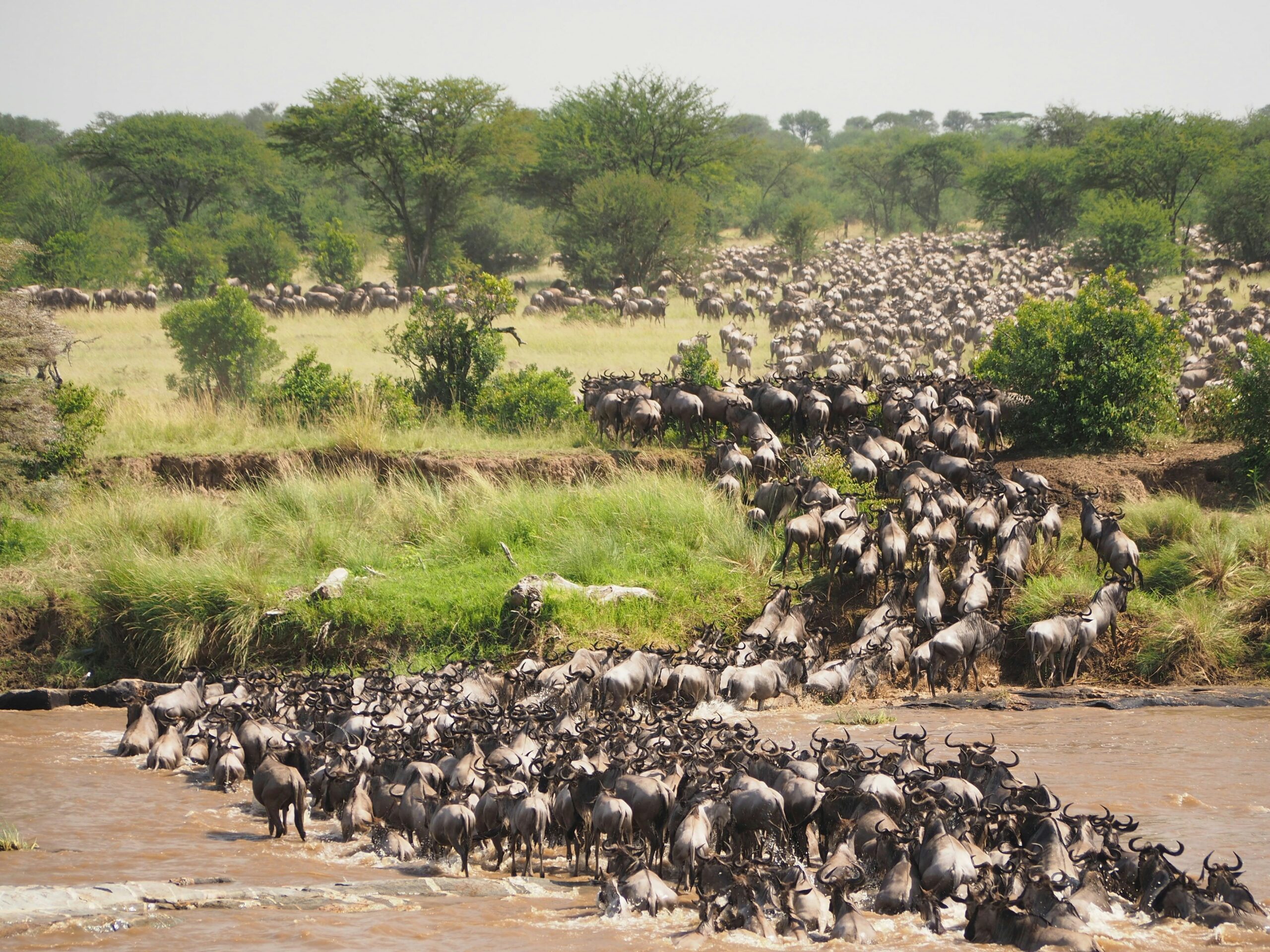
Tanzania is home to the Serengeti and Ngorongoro Crater, both safe and spectacular. As in Kenya, petty theft can occur in cities, but parks are secure.
Uganda offers gorilla trekking in Bwindi Impenetrable Forest, which is safe and well-organized. Travelers should monitor health advisories, as outbreaks of diseases like Ebola can occur.
South Africa has Kruger National Park, which is safe and well-managed. However, cities like Johannesburg and Cape Town experience higher urban crime rates, requiring extra vigilance from travelers.
Zimbabwe provides safe safari experiences in Hwange and Mana Pools, though economic instability sometimes affects services.
Democratic Republic of Congo (DRC) is more complex. The information provided by embassies, consulates, and the media about travel to the Democratic Republic of Congo (DRC) is often negative. What is frequently overlooked, however, is that the DRC is a vast country, far beyond its eastern region, which is plagued by insecurity and where Virunga and Kahuzi-Biega National Parks are located. In reality, the DRC is diverse and home to remarkable attractions that remain largely unexplored by international travelers. Peaceful, easily accessible areas—including national parks and cultural landmarks—host many of these sites.
Because the tourism sector in the DRC is still underdeveloped, it tends to attract adventurous travelers. Even so, visitors are strongly advised to rely on local tour operators such as Ubuntu Voyages, who are experts in navigating the country’s tourist circuits. The western part of the DRC also offers convenient access to neighboring Central and West African countries such as the Republic of Congo, the Central African Republic, Gabon, Cameroon, and more. While these circuits may not be as well-known as those in East and Southern Africa, they are equally worth exploring for travelers seeking authentic and unique experiences.
Travel Tips for a Safe Safari
To maximize safety, tourists should follow these practical tips:
- Book with licensed operators: Reputable companies employ trained guides who know wildlife behavior and emergency protocols.
- Stay inside vehicles: Never approach animals on foot unless with professional trackers.
- Secure valuables: Use lodge safes and avoid displaying expensive items in cities.
- Health precautions: Carry malaria prophylaxis, hydration supplies, and personal medication.
- Emergency awareness: Parks can be remote; know evacuation procedures and nearest medical facilities.
- Respect local rules: Follow park regulations, listen to guides, and avoid risky shortcuts.
Risks and How to Manage Them
While safaris are safe overall, travelers should be aware of potential risks:
Wildlife encounters are dangerous only if tourists break rules. Guides are there to protect both visitors and animals.
Road conditions can be challenging. Poor infrastructure may delay medical help or transfers, so patience and preparation are key.
Connectivity is limited in many parks. Lodges often rely on radio communication rather than mobile networks.
Political instability affects some regions, such as eastern DRC or Sudan. Always check travel advisories before booking.
Health risks include malaria, yellow fever, and other tropical diseases. Preventive measures and travel insurance covering evacuation are essential.
Conclusion
African safaris are safe and rewarding when travelers choose stable destinations, follow guide instructions, and prepare for remote conditions. Countries like Botswana, Namibia, Rwanda, and Kenya offer world-class safari experiences with strong safety records. Although regions such as eastern DRC remain unsafe due to insecurity, the western part of the country is safe, largely undiscovered, and offers unique opportunities to connect with other Central and West African nations. With the right planning, tourists can enjoy Africa’s wildlife without fear, creating memories that last a lifetime.
Plan a Safe Safari Adventure with Ubuntu Voyages:
If you’re dreaming of an unforgettable wildlife adventure, choosing the right travel partner makes all the difference. A professional tour company ensures your journey is smooth, well-organized, and safe from start to finish.
At Ubuntu Voyages, we specialize in guided safari experiences across Eastern, Central, and Western Africa. Our tours combine trusted lodges, experienced guides, and carefully planned itineraries, allowing travelers to immerse themselves in nature while feeling comfortable and secure.
Whether your dream is to explore the savannahs of East Africa, trek through the rainforests of Central Africa, or discover hidden gems in West Africa, our team is here to design the perfect safari tailored to your needs.
Ready to begin your adventure? Contact Ubuntu Voyages directly or connect with us on WhatsApp to start planning your journey today.