What African Safari Animals Will You See?
Embarking on an adventure to view african safari animals is the ultimate dream for nature lovers, offering an up-close encounter with wilderness in its most raw and unfiltered form. When planning your trip, the primary question on your mind is naturally: what animals do you see on a safari? Across the continent, tens of thousands of unique species roam through protected national parks and private game reserves. However, the specific encounters you have will depend heavily on the habitat and country you choose to explore.
While the sun-drenched savannas of East and Southern Africa are famous for mega-herbivores and large predators, the dense rainforests of Central and East Africa introduce an entirely different world of primates and nocturnal wonders. To guide your next big adventure, here is everything you need to know about the incredible wildlife awaiting you in the wild.
Spotting The Big Five Animals in Their Natural Habitats
Historically, the term “Big Five” was coined by big-game hunters in the late 18th century. It did not refer to the physical size of the species, but rather to the five most difficult and dangerous species to hunt on foot. Today, the phrase has been completely redefined by modern sustainable tourism. It now serves as the ultimate wildlife viewing checklist for travelers seeking the thrill of seeing the big five animals free in their natural habitats.
The members of this legendary group include:
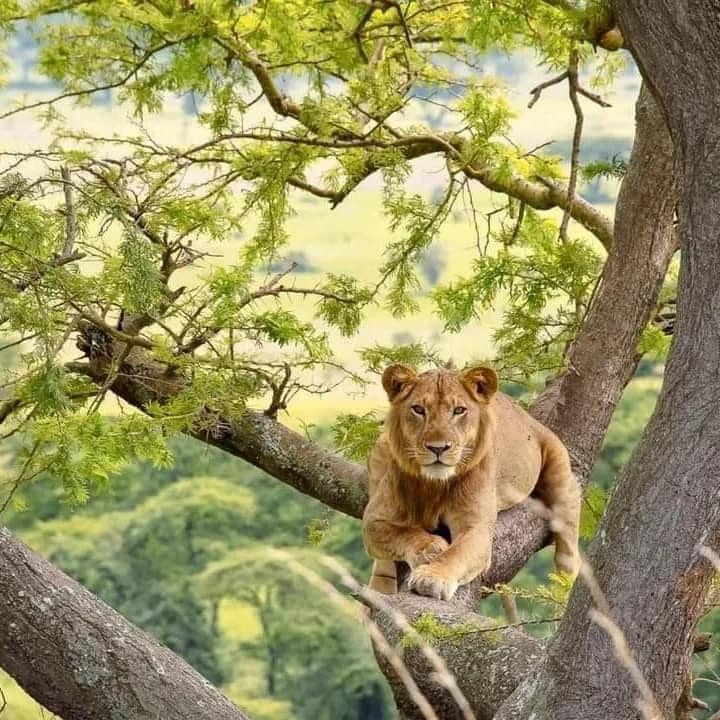
- Lion (The King of the Savanna): As the most social of Africa’s big cats, lions live in prides and are often spotted lounging under acacia trees during the heat of the day. Their thunderous roars can be heard up to 5 miles away, keeping the pride connected across vast grasslands.
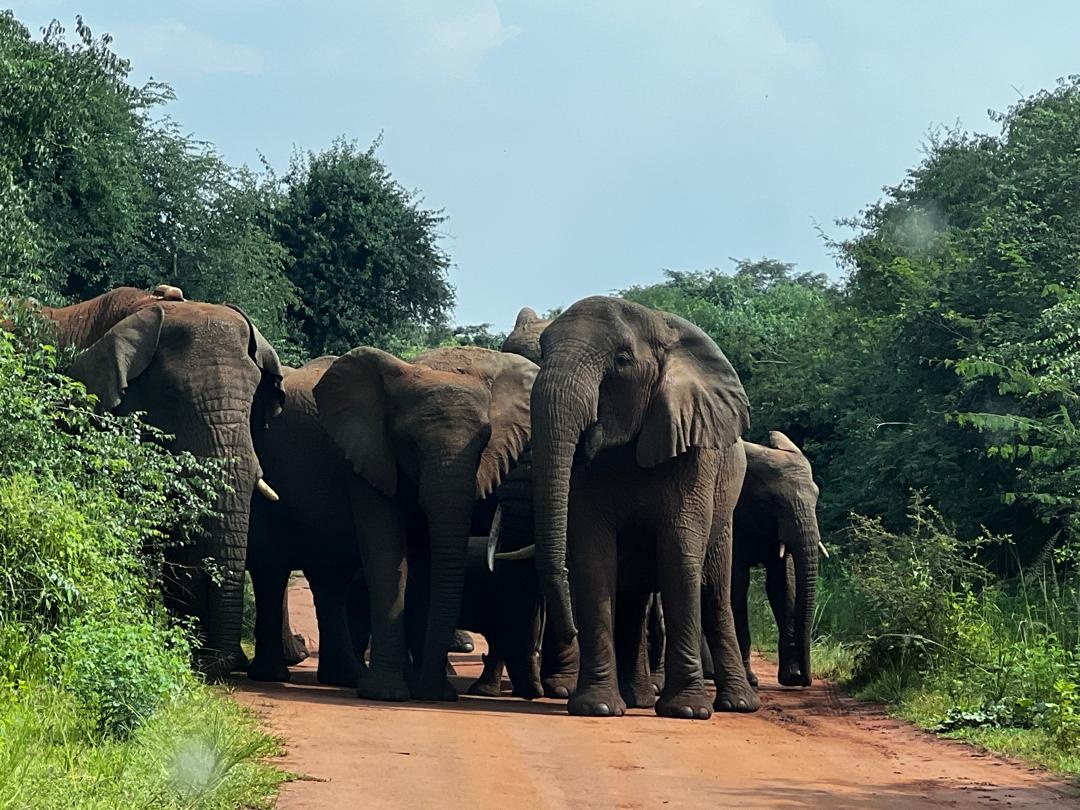
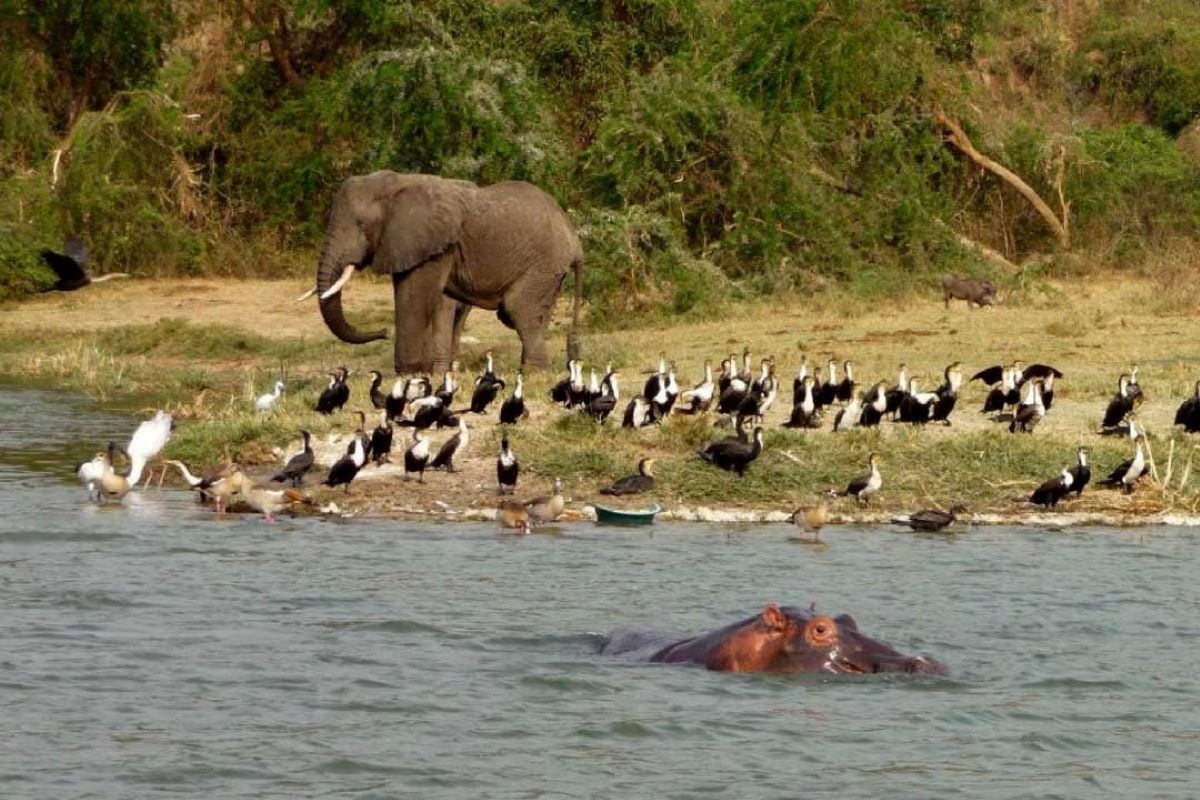
- African Elephant (The Gentle Giant): Intelligent and deeply emotional, watching a herd of elephants rumble toward a watering hole—with calves safely tucked between the adults—is an unforgettable highlight. Safari destinations protect both the familiar bush elephant and the rarer forest elephant.
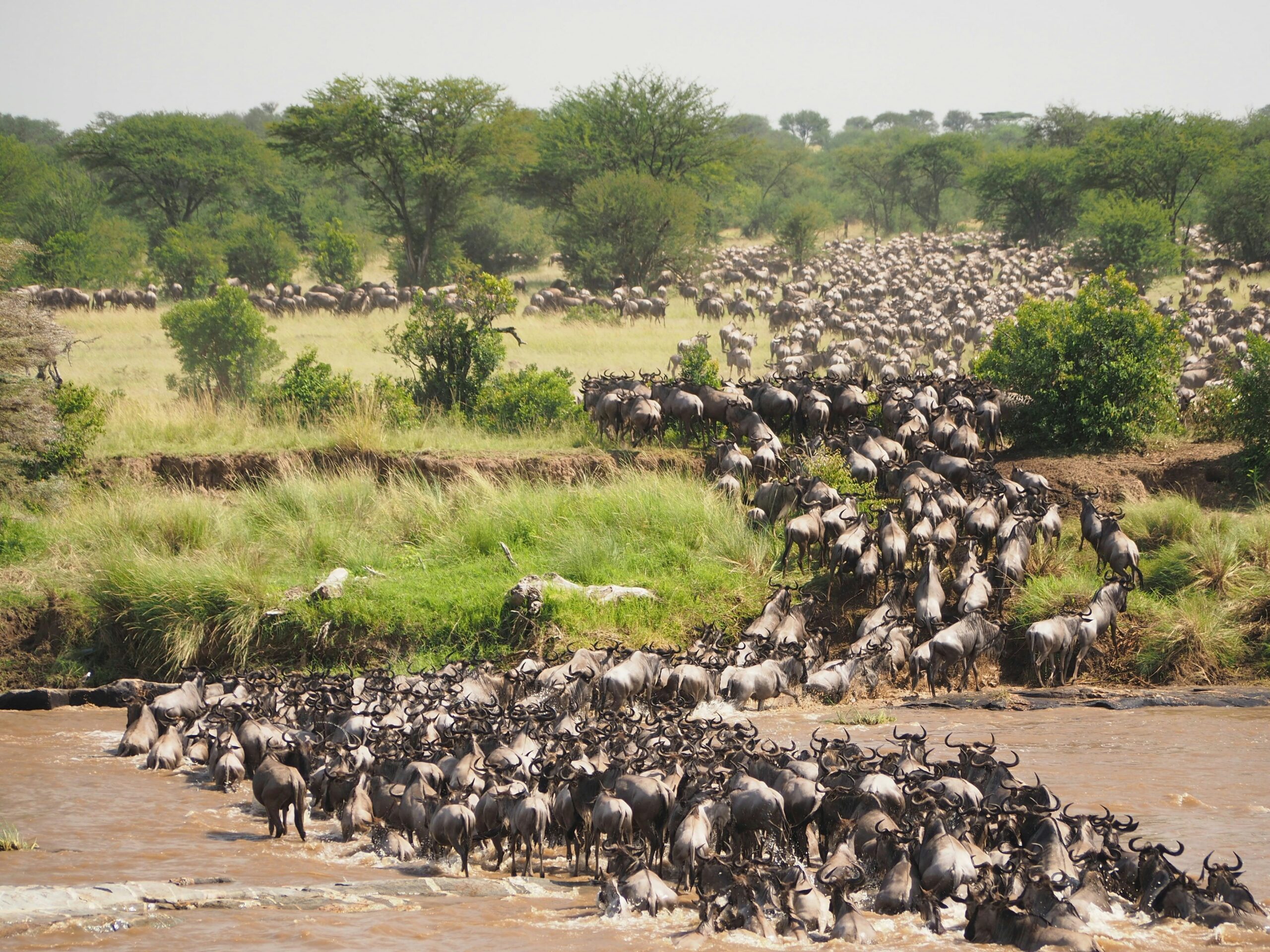
- Cape Buffalo (The Unpredictable Nomad): Renowned for their incredible memories and intense protective instincts, buffaloes form massive, boisterous herds. Though they are herbivores, their sheer strength makes them one of Africa’s most resilient and formidable species, highly capable of defending their young from apex predators.
- Leopard (The Elusive Tree-Dweller): Solitary, stealthy, and beautifully camouflaged, leopards are notoriously tricky to spot. They spend much of their day resting on tree branches or quietly watching the world from above, becoming active hunters as dusk falls.
- Rhinoceros (The Prehistoric Icon): Africa is home to both the square-lipped white rhino (which is larger and more social) and the hook-lipped black rhino (which is smaller and solitary). Sighting one of these heavily armored, shy creatures is a profoundly meaningful event for anyone tracking african safari animals.
You can track all five of these iconic species across premier travel destinations, including Kenya, Tanzania, South Africa, Botswana, Namibia, Zimbabwe, Uganda, and Rwanda.
Tracking the Rarest Animals to See on Safari
While crossing paths with a lion pride or an elephant herd is highly likely in major reserves, certain secretive and hidden species require immense patience, expert tracking, and a bit of luck.
Among the larger predators, the African leopard is widely considered the hardest of the big five animals to locate due to its solitary nature, impeccable camouflage, and strictly nocturnal habits. Even rarer still is the melanistic “black leopard,” whose coat contains an excess of dark pigment, allowing it to dissolve completely into the shadows of dense vegetation.
However, if we look beyond the big cats, the absolute rarest animals to see on safari include:
1. Pangolins
Pangolins are armor-scaled, nocturnal mammals that feed on ants and termites. They are incredibly shy, secretive, and heavily threatened by poaching and habitat loss. When startled, they roll into an impenetrable, spherical ball. Spotting a ground pangolin in the wild is considered a crowning achievement for any seasoned enthusiast of african safari animals.
2. Aardvarks
With a bizarre yet charming mix of rabbit-like ears, a stocky frame, and a pig snout, the aardvark (literally meaning “earth pig” in Afrikaans) is entirely nocturnal. They spend their days hiding deep underground to escape predators like lions and hyenas, emerging only in the dead of night to tear open termite mounds with their powerful claws.
3. African Wild Dogs
Also known as painted wolves, these deeply social predators are notoriously difficult to track. Because they require massive, cross-territorial home ranges to roam and hunt, their movements are incredibly fast and unpredictable, making them some of the most elusive african safari animals on the continent.
4. Pygmy Hippos
Unlike their massive, water-loving cousins, pygmy hippos are solitary, land-dwelling herbivores. They live strictly in the thick riverbank woods and swamps of West Africa. Only 2,000 to 2,500 individuals remain in the wild. Their secretive night-foraging habits make them virtually invisible to standard tour routes.
What Are the Most Popular Animals to See on Safaris?
Beyond the prestigious checklist of the big five animals, African ecosystems host a diverse cast of characters that travelers passionately look forward to observing. The most popular wildlife sightings include:
- Giraffes: The tallest land mammals on earth, moving with a peaceful, slow-motion elegance as they browse the high branches of acacia trees.
- Zebras: Instantly recognizable by their striking black-and-white stripes, zebras are highly social and form a foundational part of Africa’s plains game.
- Hippopotamuses: Found lounging in large, boisterous pods within rivers and waterholes to protect their sensitive skin from the midday sun.
- Cheetahs: The fastest land mammals, easily identified by their slender frames and tear-track facial markings, best viewed hunting on open, flat savannas.
- Hyenas: Highly intelligent, efficient predators and scavengers that play a vital role in cleaning up the ecosystem.
- Primates (Gorillas and Chimpanzees): For those stepping into the emerald rainforests of Uganda and Rwanda, trekking on foot to look directly into the eyes of a mountain gorilla or watch chimpanzees swing through the canopy is a bucket-list experience.
Protecting Endangered African Animals
A journey through the wilderness is more than an incredible holiday; it is a direct window into the fragility of our natural world. Many endangered african animals face an uphill battle against habitat fragmentation, poaching, and human-wildlife conflict. Tourism revenue plays a critical role in funding anti-poaching units and community incentives to protect these threatened species.
Keep an eye out for these threatened and critically endangered species, which conservationists are working tirelessly to save:
Black Rhinoceros
nternational syndicates relentlessly target black rhinos for their horns. These horns are made of keratin. This is the same protein found in human hair and nails. Because of this threat, the black rhino remains a primary focus of conservation teams. Strict protection zones provide safe havens for their slowly recovering populations. Examples include the Ol Pejeta Conservancy in Kenya and Hluhluwe-iMfolozi Park in South Africa.
Gorillas
Mountain gorillas live exclusively on East Africa’s dense, mist-shrouded volcanic slopes. This region spans Uganda, Rwanda, and the DRC.
These primates are iconic symbols of successful conservation. Because nature limits their numbers, travelers must purchase strict, highly regulated permits. These permits allow them to trek into national parks like Bwindi or Volcanoes.
Concurrently, the IUCN Red List classifies eastern lowland gorillas as Critically Endangered. Habitat loss, poaching, and civil unrest in the eastern DRC put them just one step away from extinction.
African Wild Dog
With their beautiful, mottled coats and complex pack dynamics, wild dogs hunt highly efficiently, yet they rank among the most at-risk endangered African animals. In fact, disease, human encroachment, and shrinking wilderness corridors have decimated their populations; fortunately, strongholds still exist in Botswana’s Okavango Delta and Tanzania’s Selous Game Reserve.
Shoebill Stork
This ancient, prehistoric-looking bird features a massive, shoe-shaped beak and an intimidating gaze. Swamp degradation and population decline have made this solitary wetland specialist increasingly rare. Nevertheless, your best chances for a sighting are in Uganda’s Mabamba Swamp. Rwanda’s Akagera National Park also offers excellent viewing opportunities.
Wildlife Distribution Across Different Habitats
To maximize your chances of seeing your favorite african safari animals, it helps to understand how Africa’s diverse ecosystems dictate wildlife patterns:
| Habitat Type | Key National Parks & Reserves | Representative Animals Found DOCX |
| Savanna Grasslands |
Serengeti (Tanzania), Maasai Mara (Kenya), Kruger (South Africa) |
Lions, Leopards, Elephants, Buffaloes, Zebras, Giraffes, Cheetahs, Hyenas, Warthogs |
| Rainforests & Jungles |
Bwindi (Uganda), Volcanoes (Rwanda), Congo Basin |
Mountain Gorillas, Chimpanzees, Forest Elephants, Colobus Monkeys, Bongos |
| Deserts & Arid Lands |
Namib Desert (Namibia), Kalahari (Botswana), Karoo (South Africa) |
Desert-adapted Lions, Gemsbok (Oryx), Brown Hyenas, Cape Foxes, Meerkat, Sidewinding Adders |
| Wetlands & Rivers |
Okavango Delta (Botswana), Bangweulu (Zambia) |
Hippos, Nile Crocodiles, Sitatunga, Red Lechwe, Otters, Shoebill Storks |
By coordinating your itinerary with local travel experts, you can plan a spectacular journey through Africa’s untamed landscapes.
Be sure to take advantage of early-morning and evening game drives. This is when predators are naturally at their most active.
Good to Know for Your Safari: Tiny Creatures That Can Ruin Your Stay!
While we often think of “animals” as large mammals like lions, elephants, or wild dogs, the animal kingdom is actually vast and incredibly diverse. Just like birds, fish, and humans, insects—including the mosquito—are full-fledged members of this kingdom.
Although mosquitoes aren’t the kind of wildlife you travel to Africa to see, they can certainly disrupt your trip. Malaria is prevalent in many safari destinations, and the mosquitoes that transmit the parasite are most active from dusk till dawn. Taking the right precautions before and during your journey will protect you from this serious illness and keep your dream vacation on track.
Another tiny creature you might encounter during your African adventure is the tsetse fly. In East Africa, you will typically find these flies in wooded savannahs, lowland forests, and near water sources like rivers and swamps.
Their bite is sharp and causes severe irritation. However, the risk of contracting sleeping sickness remains extremely low. To protect yourself, follow the golden rule of safari dressing. Avoid dark blue and black clothing completely. These dark colors irresistibly attract tsetse flies. They will fly straight toward them, so leave the blue jeans behind. Instead, opt for neutral tones like khaki, beige, and light brown. Stick to long, loose-fitting garments made of medium-weight fabric.