Africa is a continent of extraordinary contrasts—from ancient, mist-draped rainforests to golden savannahs stretching to the horizon. For many travelers, the ultimate question before booking an East African adventure is whether to head into the forest in search of gorillas (mountain or lowland) or set out across the plains in pursuit of the iconic Big Five. Gorilla trekking vs. Big Five safari: Which is best for your dream trip?
Both experiences offer a different kind of magic. This comprehensive guide breaks down the essential differences in geography, logistics, and physical demands. It helps you choose the perfect journey. Alternatively, you can combine them into the ultimate African safari.
A/ Understanding the Two Iconic Wildlife Experiences
What Is Gorilla Trekking?
Gorilla trekking is an intimate, active encounter with one of the rarest primates on earth. Thanks to decades of responsible tourism and intense conservation efforts, mountain gorilla numbers have risen from roughly 250 in the 1980s to over 1,000 today. They live exclusively in the high-altitude, forested crossroads of Uganda, Rwanda, and the Democratic Republic of Congo (DRC). Eastern lowland gorillas (Grauer’s gorillas) are critically endangered, with fewer than 7,000 remaining exclusively in the conflict-ridden forests of eastern DRC. Their populations remain severely threatened by armed conflict, illegal mining, and poaching, although recent, historic rewilding projects and community-led conservation efforts are offering hope for their long-term survival.
Locations:
- Bwindi Impenetrable National Park (Uganda): Home to nearly half of the world’s remaining population, featuring more than 20 habituated families across the Buhoma, Rushaga, Ruhija, and Nkuringo sectors.
- Mgahinga Gorilla National Park (Uganda): A smaller, intimate park perfect for multi-country combinations.
- Volcanoes National Park (Rwanda): Offers premium trekking paired with some of the most sophisticated luxury lodges in the region, easily accessible from Kigali.
- Virunga National Park (DRC): The most budget-friendly option, though travelers must routinely check regional travel advisories.
- Eastern lowland gorillas live exclusively in the mountainous primary rainforests of the eastern Democratic Republic of the Congo. Kahuzi-Biega, Virunga (Mount Tshiaberimu), and Maiko National Parks, along with the adjacent Usala and Tayna forests, shelter the world’s remaining populations of these gorillas.
The Experience:
Led by expert trackers and armed rangers, groups are strictly limited to eight visitors per gorilla family per day to preserve exclusivity and minimize stress on the animals. The trek involves a porter-assisted hike lasting anywhere from 1 to 6+ hours through thick vegetation and steep slopes.
Once the family is located, you pull on your protective face mask, maintain a 7-to-10-meter distance, and spend exactly one magical hour watching silverbacks, nursing mothers, and playing infants. For those seeking deeper immersion, parks offer a Gorilla Habituation Experience, granting four hours with a family. While other regions like Virunga and Maiko National Parks or the Tayna Nature Reserve are home to Grauer’s gorillas, they do not have habituated families or the infrastructure for commercial tourism, leaving Kahuzi-Biega as the only formal trekking destination.
What Is a Big Five Safari?
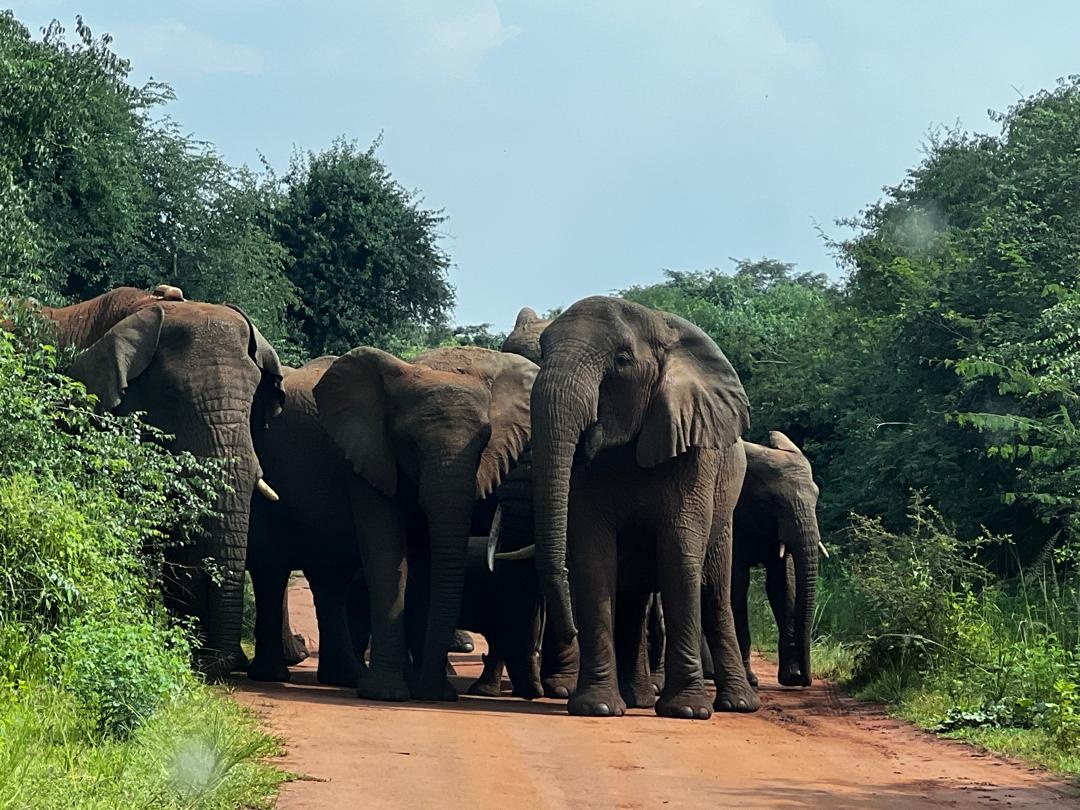
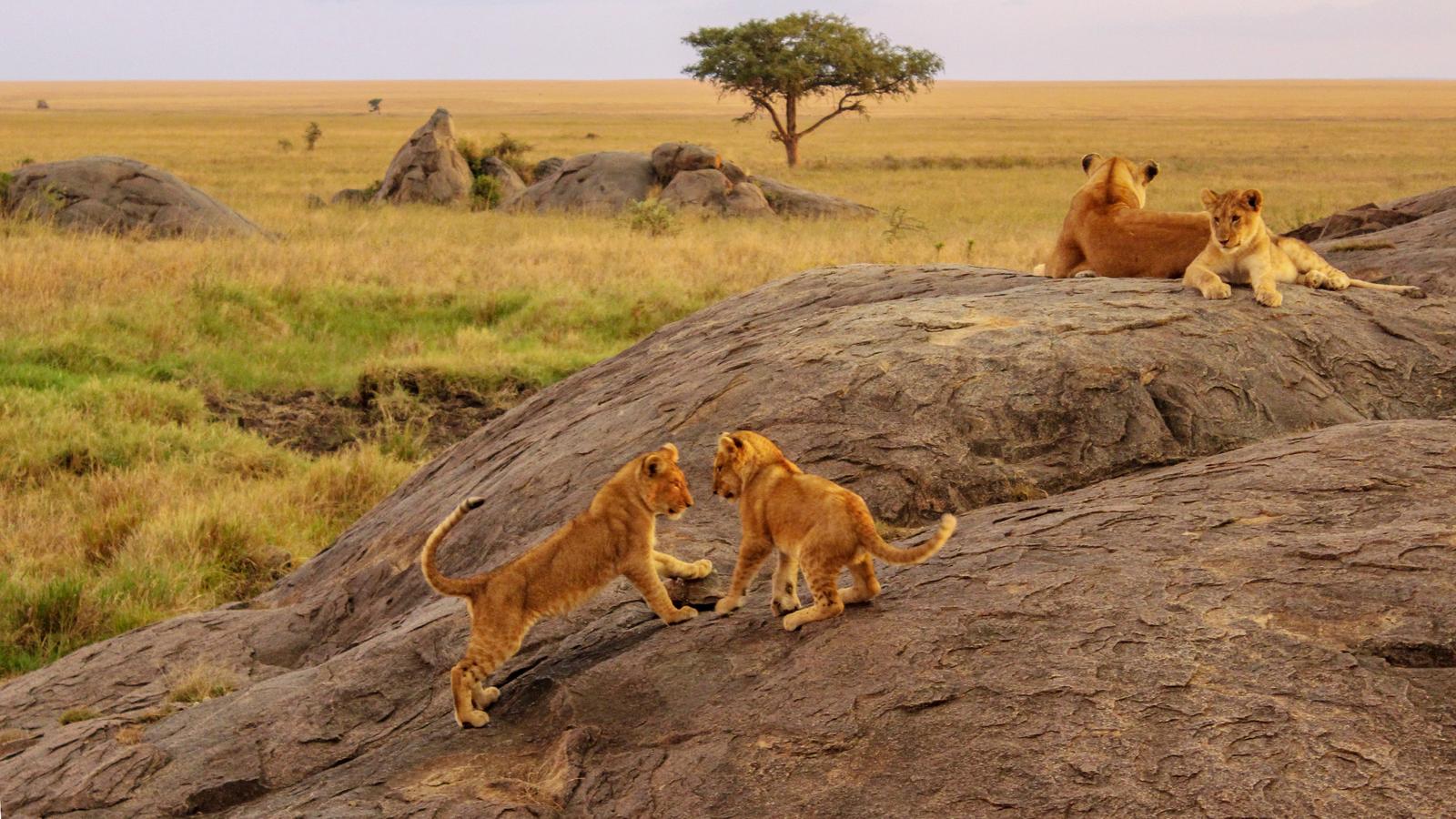
A Big Five safari is the classic, expansive African wildlife spectacle. Originally coined by historic hunters to describe the five most dangerous animals to track on foot—lion, leopard, elephant, rhino, and Cape buffalo—the term today represents the pinnacle of photographic game viewing.
Locations:
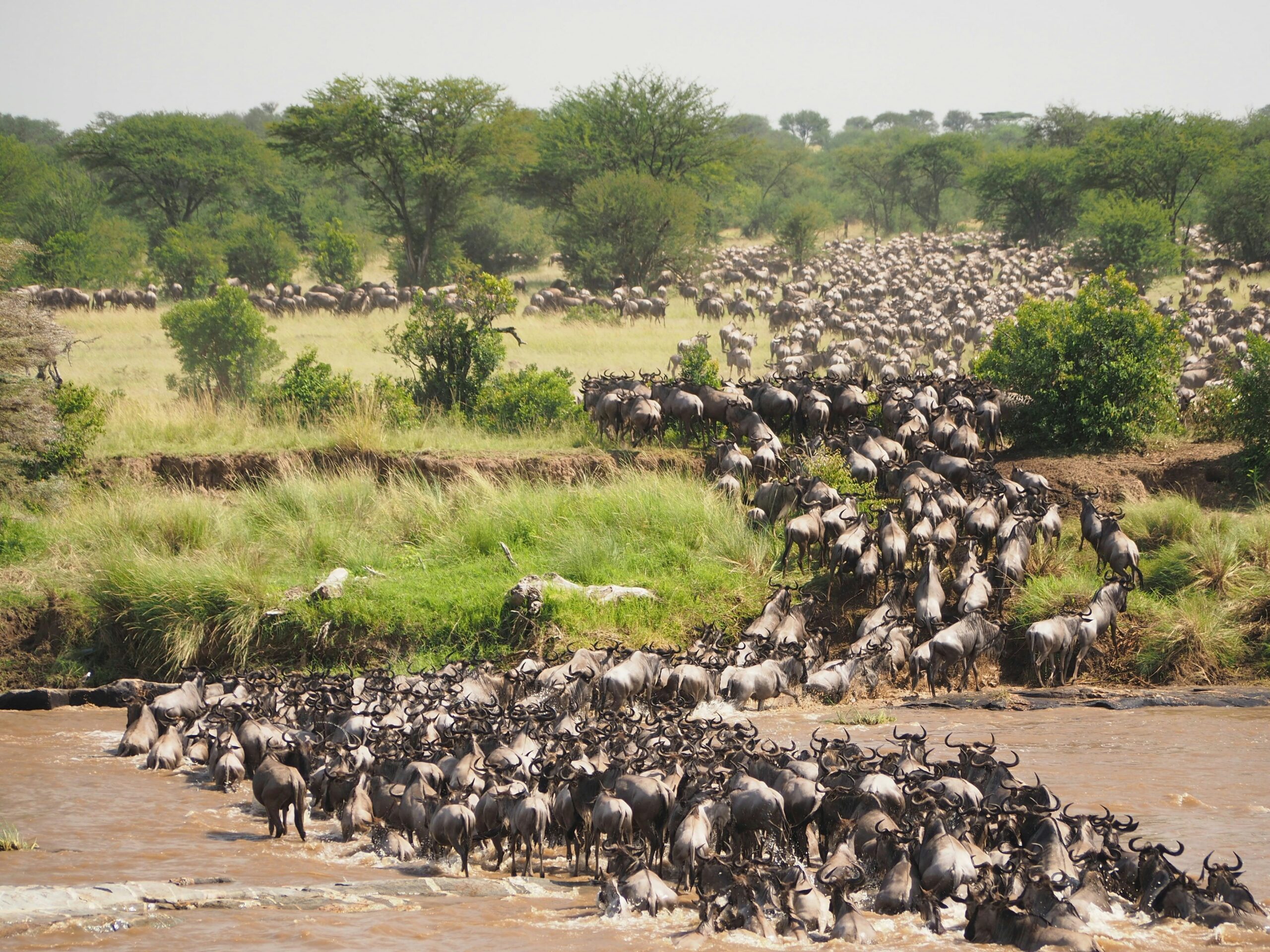
- Masai Mara (Kenya) & Serengeti (Tanzania): Two massive, interconnected ecosystems famous for hosting the Great Wildebeest Migration between July and October, where over 1.5 million animals thunder across the plains.
- Amboseli & Tsavo (Kenya): Renowned for dramatic views of Mount Kilimanjaro and massive elephant herds.
- Lake Nakuru & Naivasha (Kenya): Famous for vibrant flamingo populations and black rhinos.
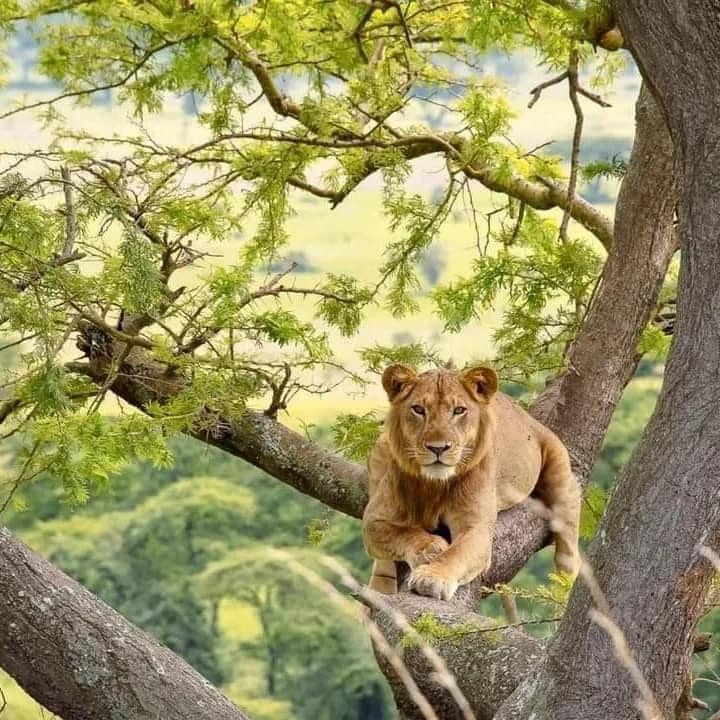
- Queen Elizabeth National Park (Uganda): A unique destination featuring tree-climbing lions alongside diverse savanna wildlife, making it easy to pair with nearby gorilla forests.
- Akagera National Park (Rwanda): A rising star for Big Five encounters that allows travelers to easily bridge the savannah and the rainforest within a short distance.
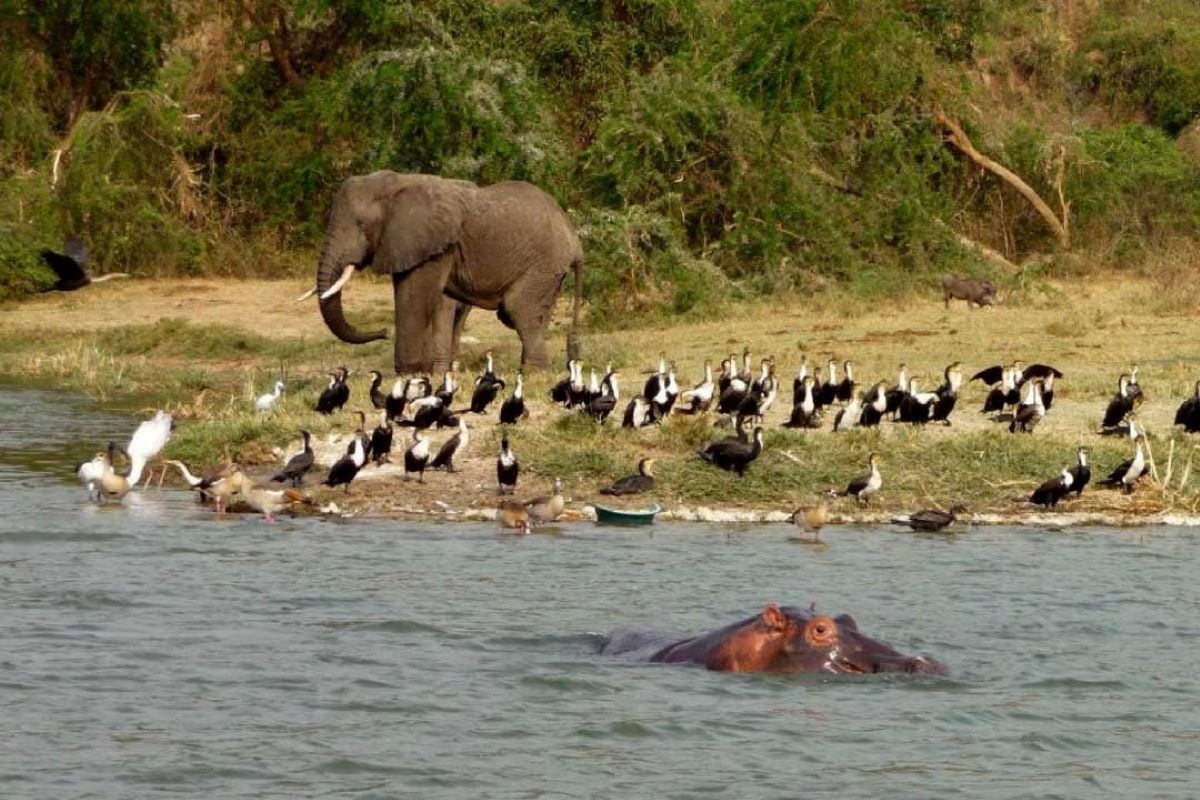
- Virunga National Park is famous for dense rainforests and mountains. However, its central sector features significant savannah plains. These plains near Lake Edward and Rwindi host elephants, lions, leopards, buffalos, and hippos. Notably, Uganda’s Queen Elizabeth National Park forms an extension of this ecosystem. Conversely, Kahuzi-Biega National Park does not have savannah terrain; it consists almost entirely of tropical rainforest and subalpine highlands. Rangers conduct game drives primarily in Virunga National Park’s Central and Southern sectors (the Ishasha plains and Lulimbi). However, ongoing regional insecurity has forced the park to temporarily close most of these savanna areas to visitors. We generally advise tourists to prioritize gorilla trekking and volcano hiking instead.
The Experience:
Unlike the active hiking of a primate trek, a Big Five safari features a more passive, comfortable rhythm. Guests head out on morning and afternoon game drives in open 4×4 safari vehicles equipped with pop-up roofs.
Expert guides use radios and binoculars to help you spot wildlife. You can see over 50 species daily. These include cheetahs, giraffes, zebras, and hippos.
The traditional schedule features bush breakfasts and sundowner gin-and-tonics at golden hour. Finally, you will stay at luxury tented camps or lodges with private plunge pools.
B/ Gorilla Trekking vs. Big Five Safari: Head-to-Head Comparison
Head-to-Head Comparison
| Aspect | Gorilla Trekking | Big Five Safari |
| Main Wildlife | Mountain Gorillas (Focus on 1 family) | Lion, Leopard, Elephant, Rhino, Cape Buffalo (+ 50+ species) |
| Activity Type | Active, strenuous rainforest hike (1–6+ hours) | Passive, comfortable game drives in a 4×4 vehicle |
| Terrain & Environment | Steep, muddy, high-altitude jungle slopes | Vast, open, flat or rolling golden savannah |
| Time with Animals | Strictly 1 hour (4 hours for habituation) | All day; multiple sightings across game drives |
| Group Size | Max 8 tourists per gorilla family | 4–6 passengers per vehicle (often private) |
| Age Restrictions | Minimum age limit of 15 years | Highly flexible; excellent for kids and seniors |
| Booking Window | Permits must be secured 6–12 months in advance | Flexible, though peak migration lodges book early |
C/ Cost, Logistics, and Essential Packing:
Financial and Health Logistics:
Gorilla trekking relies on strict permit regulations, which directly fund anti-poaching units, local community projects, and veterinary care like the Gorilla Doctors program. While Rwanda’s permits carry a premium price tag, Uganda offers exceptional value, and the DRC remains the most affordable. Because humans and gorillas share 98% of the same DNA, trackers must have a clean bill of health. Park rangers will not allow you to trek if you have a cold, flu, or any infectious illness.
On the other hand, Big Five safaris are highly flexible. Itineraries can easily scale from budget-friendly 3-day regional tours to extended 14-day luxury expeditions spanning multiple countries.
What to Pack
- For the Rainforest: Waterproof hiking boots with good grip, long trousers, a sturdy rain jacket, gardening gloves (to protect against thorns and stinging nettles), a face mask, and malaria prophylaxis.
- For the Savannah: Neutral-colored clothing (khaki, beige, green), a wide-brimmed sun hat, high-SPF sunscreen, a power bank for long days in the vehicle, binoculars, and a camera with a 200mm+ telephoto lens.
Can You Do Both?
Absolutely. In fact, we highly recommend combining both ecosystems into a single itinerary. East Africa’s unique positioning lets you experience the raw, misty magic of the rainforest and the cinematic grandeur of the savannah without wasting time. Popular itineraries, such as a 10-Day East African Wildlife Safari, seamlessly bridge a primate trek in Uganda’s Bwindi or Rwanda’s Volcanoes with world-class game drives in the Masai Mara, Queen Elizabeth National Park, or the Serengeti.
- Choose Gorilla Trekking if: You crave an intimate, exclusive, and emotionally profound wildlife encounter, enjoy physical hiking, and want to support direct primate conservation.
- Choose a Big Five Safari if: You prefer comfort and classic luxury, want to photograph dozens of different species daily, and are traveling with a multi-generational family.
Whether you choose one or blend them together, these journeys transcend ordinary travel—they become the stories you tell for the rest of your life.