Best Time to Visit Africa for Safari (Month by-Month Guide)
Planning an African safari is one of the most exciting travel decisions you can make. Timing is everything. Wildlife movement, seasonal weather, and pricing all shift throughout the year, creating unique experiences month by month. Whether you dream of witnessing the Great Migration in Kenya and Tanzania, spotting elephants in Botswana, or enjoying lush green landscapes in Uganda, knowing the best time to visit Africa for safari ensures your adventure is unforgettable. However, the ideal month depends heavily on which country you plan to visit and your wildlife priorities.
Understanding African Safari Seasons
Africa’s safari calendar is shaped by three overlapping seasons:
- Dry Season (June–October): Vegetation thins, animals cluster around waterholes, and predator sightings peak. This is the most popular time for safaris, but it also comes with higher prices and larger crowds.
- Green Season (November–May): Rain transforms the savannah into lush landscapes. Newborn animals appear, birdlife flourishes, and safari rates drop. Wildlife can be harder to spot in dense vegetation, but the scenery is spectacular.
- Shoulder Season (May–June & October–November): Transitional months balance good wildlife viewing with fewer tourists and better value.
Month-by-Month African Safari Highlights
January: Newborns and Birding
January is excellent for viewing migratory birds and lush green landscapes in East Africa. In the Serengeti, wildebeest begin calving, attracting predators like lions and hyenas. The weather is warm and mostly dry, making game drives comfortable. Prices remain medium to high due to holiday travelers, but the action on the plains is worth it.
February: Peak Predator Action
February is the peak of the wildebeest calving season in the southern Serengeti and Ndutu. Thousands of calves are born, drawing massive predator activity. Birdlife is abundant, and the weather stays hot with occasional thunderstorms. Safari lodges in Tanzania and Kenya are busy, so expect medium-high pricing.
March: The Pre-Rain Transition Window
March offers quieter parks in East Africa. Newborn animals are still visible, and lush scenery dominates before the heavy rains begin. Southern Africa enjoys cooler conditions, making it a good alternative. Prices drop, making this a great month for budget-conscious travelers.
April: Wet Season and Vibrant Birdlife
April is the heart of the rainy season in East Africa. While some lodges close, birdwatchers rejoice as migratory species fill the skies. It’s also a beautiful time to visit the Okavango Delta in Botswana, as floodwaters begin to arrive. Pricing is low, except during Easter holidays.
May: Exceptional Shoulder Season Value
By May, rains taper off, leaving behind vibrant green landscapes. Elephants and predators are easier to spot, and safari rates drop significantly. This is one of the best months for value, combining affordable pricing with beautiful scenery.
June: The Dry Season Begins
June ushers in the dry winter season in Southern Africa. Vegetation dies back, improving visibility. In the Serengeti, the Great Migration herds begin moving north. Weather is cooler and pleasant, perfect for long game drives. Prices start to rise as peak season approaches.
July: Dramatic Great Migration River Crossings
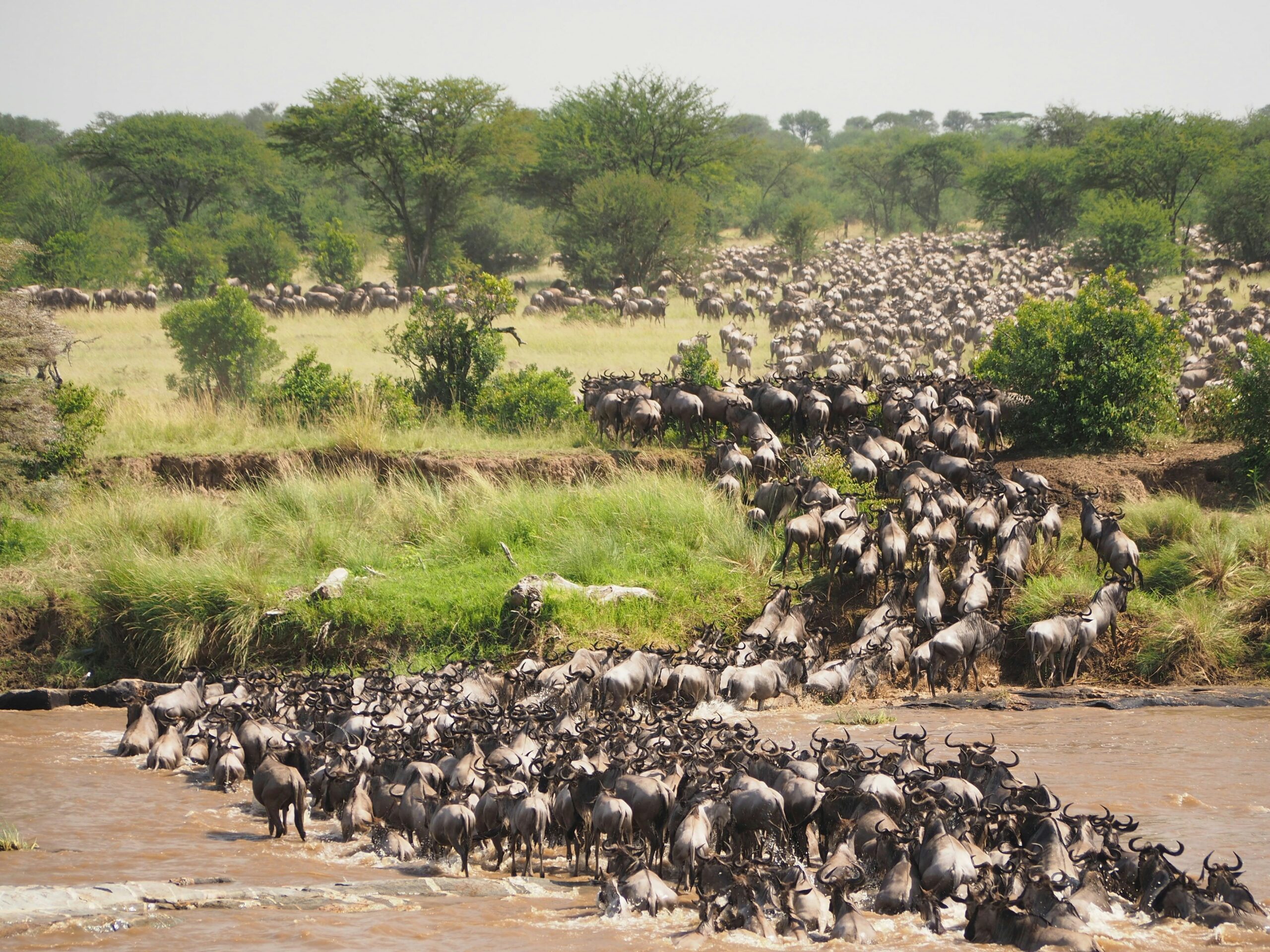
July is one of the most iconic safari months. The dry season is in full swing, making it exceptional for game viewing and gorilla trekking in Rwanda or Uganda. Gorilla trekking is a year-round activity. But if you’re hiking through the rainforests, you’ll certainly appreciate the drier and cooler months of January and February, and June to September. The Great Migration reaches the Mara River in Kenya, with dramatic crossings and predator-prey interactions. Prices are high, and lodges fill quickly, so early booking is essential.
August: Peak Safari Season Across the Continent
August continues the migration spectacle. Predator action is intense, and wildlife sightings are at their best. Dry, comfortable weather makes safaris enjoyable. This is peak season, so expect premium pricing and high demand across major African parks.
September: The Absolute Best Month for Wildlife Viewing
September is often considered the absolute best month for wildlife viewing across both East and Southern Africa. Water sources are at their lowest, forcing animals to congregate. Predator sightings are frequent, and the weather stays dry and warm. Prices remain high but crowds begin to thin compared to August.
October: Elephant Congregations and Value
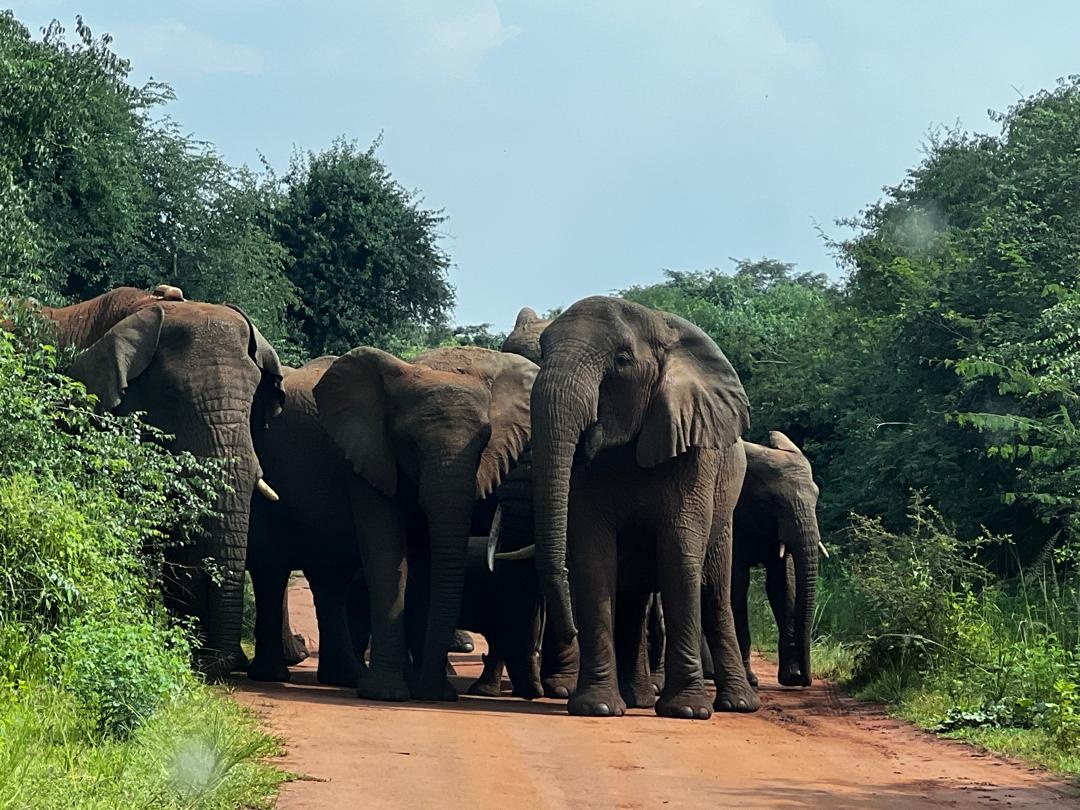
October marks the end of the migration, with herds moving back to Tanzania. Wildlife sightings remain strong, especially in Southern Africa where massive herds of elephants congregate along the Chobe River in Botswana. Weather is pleasant, and prices drop slightly, making this a great month for travelers seeking value without sacrificing quality.
November: The Short Rains and Emerald Scenery
November brings short, scattered rains that refresh the landscape. Scenery turns emerald, migratory birds return, and newborn animals appear. Afternoon showers create dramatic skies, perfect for photography. Prices are lower, and tourist numbers decrease, offering a more intimate safari experience.
December: Festive Holidays and Green Landscapes
December combines short rains with warm temperatures. Bird migrations peak, and newborn impalas attract predators. The plains are green and vibrant, making it an excellent time for general safaris. Parks get busier toward the end of the month due to the festive season, and pricing rises accordingly.
Core Safari Planning Insights
- Wildlife Movement:
- January–February: Best for calving season and predator action.
- July–September: Best for the Great Migration and peak predator sightings.
- October: Excellent for elephants in Botswana.
- Weather:
- Dry season (June–October): Clear skies, sparse vegetation, easy wildlife viewing.
- Rainy season (March–May, November–December): Lush scenery, birdlife, newborn animals.
- Pricing:
- Peak season (July–September): Most expensive, lodges fill quickly.
- Green season (March–May, November): Best value, fewer crowds.
- Shoulder months (June, October): Balanced pricing with strong wildlife sightings.
Regional Timing: Matching Destinations to Your Travel Window
East Africa Safari Timing: Kenya & Tanzania
The seasons in East Africa are beautifully complex, meaning the best time to visit depends entirely on the type of adventure you want to experience. While warm days and excellent year-round game viewing are standard, timing your trip around regional weather patterns is key to unlocking iconic highlights like the Great Migration and gorilla trekking.
The Weather Windows: Dry vs. Rainy Seasons
East Africa experiences two distinct rainy seasons: the “long rains” from April to May and the “short rains” from November to December. The long rains bring heavy afternoon tropical downpours, causing many safari camps to close temporarily. Conversely, the short rains feature brief, occasional showers; camps remain open, crowds are thinner, and lower seasonal rates offer excellent value.
For the most comfortable climate, the long dry season from June to October and the short dry window from January to March offer mild, dry weather across major Kenyan and Tanzanian destinations.
The Great Wildebeest Migration Itinerary Timing
If your dream is to witness classic savanna scenes with vast herds and frequent predator action, matching your calendar to the Great Migration is essential:
- January to February (Calving Season): Head to the southern Serengeti and Ndutu plains in Tanzania. This is a sweet spot for dynamic big-cat action and vibrant scenery with fewer crowds.
- July to September (River Crossings): This is the peak of the migration. Focus on the northern Serengeti (Tanzania) and the Maasai Mara (Kenya) to witness dramatic, high-stakes river crossings.
- June to November: The herds remain active within the Maasai Mara ecosystem before transitioning.
When to Go Gorilla Trekking in Uganda & Rwanda
While gorilla trekking in Uganda and Rwanda is a year-round activity, hiking through dense rainforests is significantly easier during the drier months of January to February and June to September. During these windows, forest trails are less muddy, trekking is physically less demanding, and viewing conditions are at their most comfortable.
Quick Itinerary Pointers for East Africa
- For Peak Wildlife & River Crossings: Choose July to September (Maasai Mara & Northern Serengeti).
- For Newborn Animals & Predators: Choose January to February (Southern Serengeti/Ndutu).
- For Clear Kilimanjaro Views: Stick to the dry months for crisp, early-morning visibility in Amboseli.
- For Value & Lush Greenery: Look at April, May, or November, keeping in mind the likelihood of rain and slower road travel.
Southern Africa Safari Timing: Botswana, Namibia, & South Africa
Unlike East Africa’s complex weather systems, Southern Africa follows a more traditional seasonal pattern. The region’s undisputed peak safari window occurs during the dry winter months, stretching from May to October. During this period, the climate is mild and clear, the bush thins out, and drying water sources force wildlife to congregate predictably around permanent rivers and waterholes. Travelers should note that winter nights and early mornings can drop to near-freezing—especially in desert expanses—making warm layers essential for early-morning game drives.
Botswana: The Okavango Delta Floodwater Phenomenon
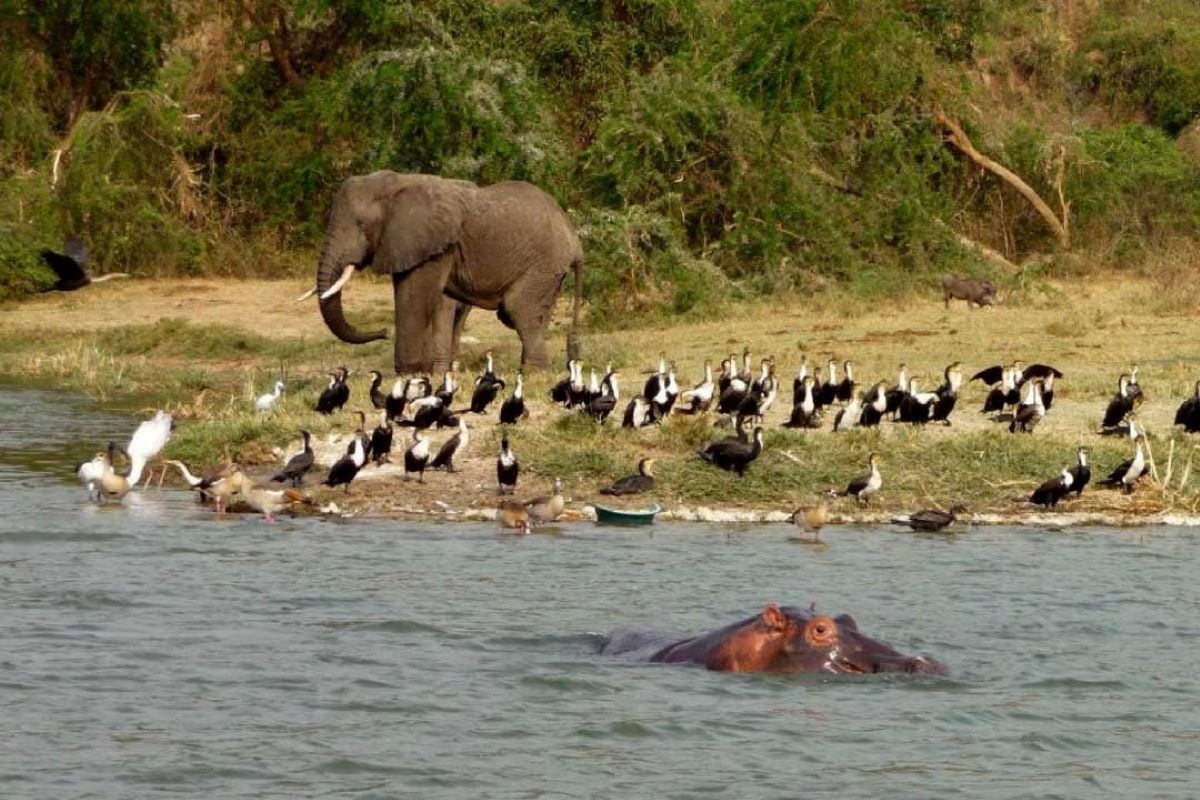
Botswana features a fascinating ecological paradox: the floodwaters from the Angolan highlands reach the Okavango Delta during the peak of the dry season (typically June to August). This unique cycle opens up spectacular channels for water-based safaris, allowing guests to glide past wildlife in traditional mokoros (dugout canoes) or motorboats. Concurrently, farther north in Chobe National Park, the dry winter and spring weeks trigger intense wildlife concentrations along the Chobe Riverfront, offering some of the highest density elephant viewings on the continent.
Namibia: The Etosha Waterhole Magnet
In Namibia, the sprawling salt pans of Etosha National Park are best visited from July to October. As the surrounding landscape dries completely, the park’s managed and natural waterholes become absolute magnets for wildlife. This creates a relaxed yet thrilling safari experience; visitors can simply park safely by a waterhole and watch an incredible rotation of elephants, giraffes, zebras, lions, and rhinos arrive throughout the day.
South Africa: Bushveld Game Viewing and Beyond
For a classic wildlife experience, Kruger National Park and its adjacent private reserves are at their prime from June to September. The dry winter thins out the dense lowveld vegetation and lowers the risk of malaria, making it the perfect window for an impactful 4-day Kruger safari.
However, South Africa requires a unique travel tip: if you want to combine a safari with Cape Town and the Garden Route, the seasons invert. The Western Cape experiences rainy winters and glorious, dry summers (November to March). Furthermore, if marine wildlife is on your bucket list, timing your visit between July and November allows you to witness the spectacular annual whale migration along the southern coast.
The “Green Season” Alternative in Southern Africa
For travelers seeking exceptional value, the “Green Season” (November to April) shouldn’t be overlooked. While afternoon summer thunderstorms and thicker brush make tracking animals more challenging, this period rewards visitors with lush, emerald landscapes, an influx of migratory bird species, newborn animals, and significantly lower lodge rates.
Expanding Your African Adventure: Beyond the Classic Routes
For travelers wishing to venture farther afield, combining a traditional savanna safari with regional highlights elevates an itinerary into a truly comprehensive African adventure.
Integrating Primate Trekking and Victoria Falls
While Uganda and Rwanda are world-renowned for mountain gorilla trekking through misty rainforests, a major modern addition to the primate circuit is the Democratic Republic of the Congo (DRC). The DRC’s Kahuzi-Biega National Park offers the planet’s only opportunity to trek and observe critically endangered Eastern Lowland Gorillas (Grauer’s gorillas) in their natural habitat. Primate trekking is highly rewarding year-round, though the drier months make forest navigation significantly easier.
To add an awe-inspiring natural wonder, couple your wildlife tracking with a visit to Victoria Falls (spanning Zimbabwe and Zambia). The timing here is highly dependent on water levels: the high-water wet season (March to May) offers thunderous, dramatic views, while the low-water dry season (September to November) clears the mist for sharper photography and opens up adrenaline-fueled activities like white-water rafting and swims in Devil’s Pool.
How to Choose Your Safari Window by Travel Style
The “right” time to travel shifts depending on your personal priorities, budget, and who you are traveling with:
- Focus on Photography: The peak dry season provides sparse vegetation and clean backgrounds for tracking predators. Conversely, the “Green Season” offers dramatic, stormy skies, dust-free air, and saturated, vibrant landscapes.
- Couples & Honeymooners: Shoulder months (like May or October) offer increased privacy and romance at intimate lodges while retaining excellent wildlife viewing.
- Traveling Around School Breaks: July and August offer predictable, high-density wildlife viewing, while the January window provides excellent wildlife encounters with far fewer crowds.
- New Safari Travelers: The middle of the dry season delivers immediate, high-impact “wow” moments with less time spent searching for animals.
Navigating Safari Logistics, Costs, and Seasonality
The Reality of Traveling in “Peak Season”
Peak months are popular for a reason, but they demand high-season pricing, and major sightings can attract heavy vehicle congestion—especially along East Africa’s migration paths or Botswana’s premium water channels. To enjoy a quieter experience, consider pairing a marquee national park with an adjacent private conservancy or private reserve, which strictly limits the number of vehicles allowed at wildlife sightings.
Important Booking, Health, and Packing Notes
- Luggage & Layers: Weather shapes your wardrobe. Southern Africa’s winter mornings can drop to freezing, while East Africa’s high-altitude zones remain crisp at dawn. Pack light layers you can shed as the afternoon sun peaks, and keep sensitive camera gear protected from heavy dust or seasonal downpours.
- Health Dynamics: Wet, humid months naturally see a rise in mosquito activity. Always seek updated medical advice regarding malaria prophylactics tailored strictly to your destination and travel month.
- The Availability Crunch: Premier, intimate properties, fly-in camps, and high-demand permits (such as gorilla trekking permits) frequently sell out over a year in advance for the July–September window and the festive holiday season.
Partnering with regional experts who have deep on-the-ground expertise ensures your cross-border logistics, safety protocols, and transit links are seamlessly aligned to match the exact wildlife movements of your chosen travel month.
Conclusion: Planning Your Unforgettable Safari
The best time to visit Africa for safari depends on your goals. If witnessing the Great Migration is your dream, plan for July–September. For lush landscapes and fewer crowds, choose March–May or November. And if you want a balance of wildlife, weather, and pricing, June and October are ideal.
No matter when you go, Africa’s safaris promise unforgettable encounters with wildlife, breathtaking scenery, and cultural richness. By aligning your travel dates with wildlife movement, seasonal weather, and pricing trends, you’ll create a safari adventure that’s both rewarding and memorable.
Ready to Plan Your Dream Safari?
Explore our curated collection of African safaris for inspiration, or contact our destination specialists to design your bespoke itinerary